
When Should a Horse Move Into a Double Bridle?
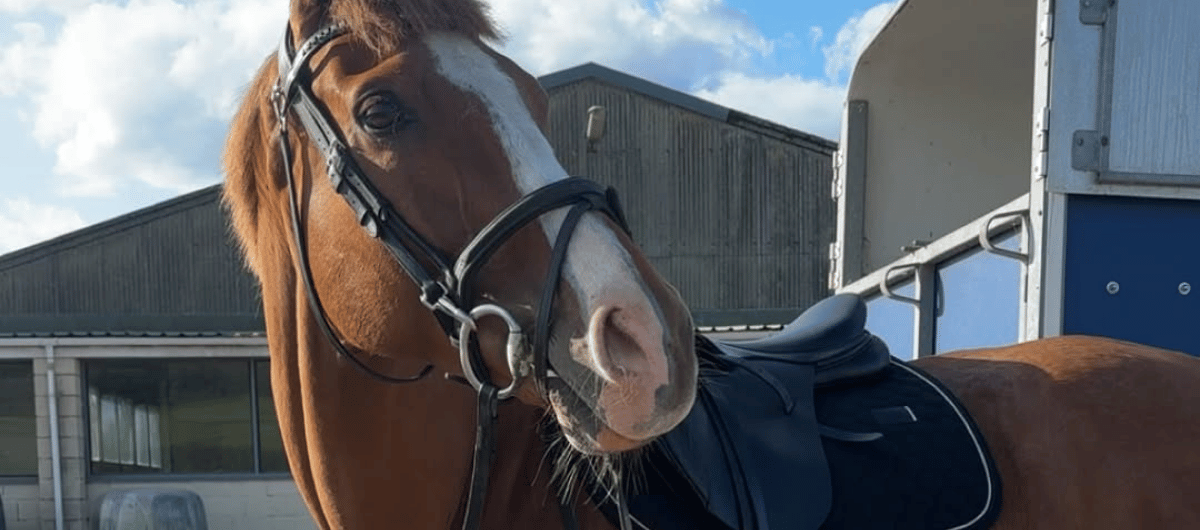
Image credit: @jerseywonder
When Should a Horse Move Into a Double Bridle?
Table of Contents
- What a double bridle actually asks of your horse
- The training milestones worth checking first
- The rider's preparation matters just as much
- Age and work: a practical guide
- Choosing the right complete bridle for advanced work
- How saddle fit connects to bridle work
- A few signs your horse is not ready yet
- The question of bit fit
- Ready to look at bridles?
You're sitting in a light, forward trot and it finally feels like your horse is genuinely through. The half-halts are landing. The transitions are balanced. Your trainer says it: you're getting close to medium level. And with that comes a question most dressage riders get to eventually.
Is it time for a double bridle?
It's one of those decisions that can feel significant, partly because the double bridle looks the part but also because, when it's introduced too soon or without the right foundation, it can unravel work that took months to build.
Here's a grounded look at what the readiness markers actually are, for horse and rider.
What a double bridle actually asks of your horse
A double bridle uses two bits simultaneously: a bradoon (a lightweight snaffle) and a curb bit (a Weymouth) with a curb chain. Each rein acts differently. The bradoon lifts and steers. The curb adds poll flexion and encourages collection.
Used correctly, it refines communication. Used too early, it compounds problems. A horse who is not yet confirmed in the contact, or who braces through the neck, will find a double bridle uncomfortable and may tighten further in response.
The bridle horse question, at its core, is not about level. It is about suppleness, strength, and trust.
The training milestones worth checking first
Before a double bridle is considered, most experienced trainers and judges expect to see the following consistently established.
- Genuine acceptance of the snaffle contact, without leaning, evading or bracing
- Clear, balanced transitions between all gaits, including within gaits
- Regular, rhythmic medium trot and medium canter with genuine push from behind
- Shoulder-in, travers and half-pass confirmed at both trot and canter
- Flying changes, if heading for Prix St. Georges or above
- Consistent thoroughness: energy travelling from behind, over the back, into a soft rein
These are the requirements that British Dressage guidelines broadly point to as the foundation for advanced work. The double bridle supports collection; it does not create it.
The rider's preparation matters just as much
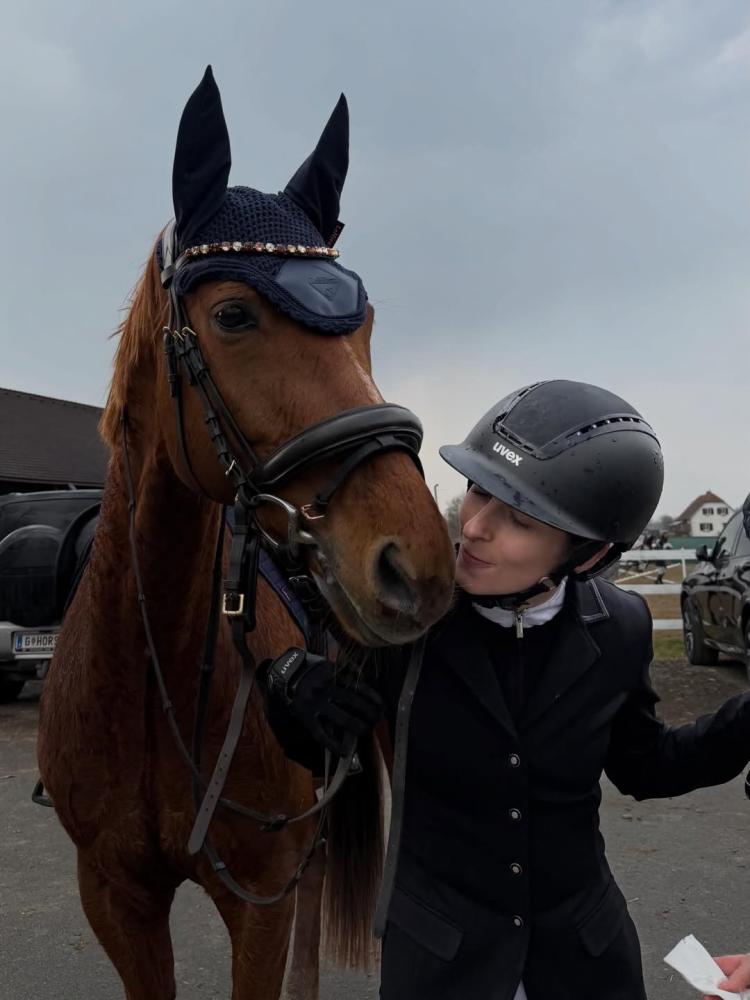 A double bridle in the hands of a rider who is not yet independent in the contact can cause real problems. Four reins require sensitivity and clarity. If the curb rein is held with the same weight as the bradoon, the horse receives a constant signal it cannot make sense of.
The honest question to ask yourself is this: can you ride a whole session with very light, consistent contact in the snaffle, with no tipping forward and no bracing in your own arms? If yes, the conversation about a horse bridle upgrade is worth having with your trainer. If not, more time in the snaffle will serve you both better.
This is not a criticism. Most riders get there. It just takes what it takes.
Image credit: @vcresch
Age and work: a practical guide
Young horses (under 7)
Most young horses are not ready and should not be asked. The muscular development needed to carry themselves in true collection takes years. Putting a double bridle on a horse, still building that topline, and that way of going is asking too much of them. The snaffle should be doing all the work at this stage.
Horses aged 7 to 10
This is when many horses, if they have been brought up correctly, begin to show the strength and consistency for a double bridle to be considered. The conversation with your trainer and saddle fitter is useful here. If the horse's back is developing well and the work is confirmed, an introduction can begin gradually and sympathetically.
The importance of gradual introduction
Most experienced trainers will recommend introducing the double bridle in short sessions alongside continued snaffle work, not as an abrupt switch. The horse needs time to understand the new communication. Softness should increase. If tension increases instead, the answer is usually more snaffle work, not more curb.
Choosing the right complete bridle for advanced work
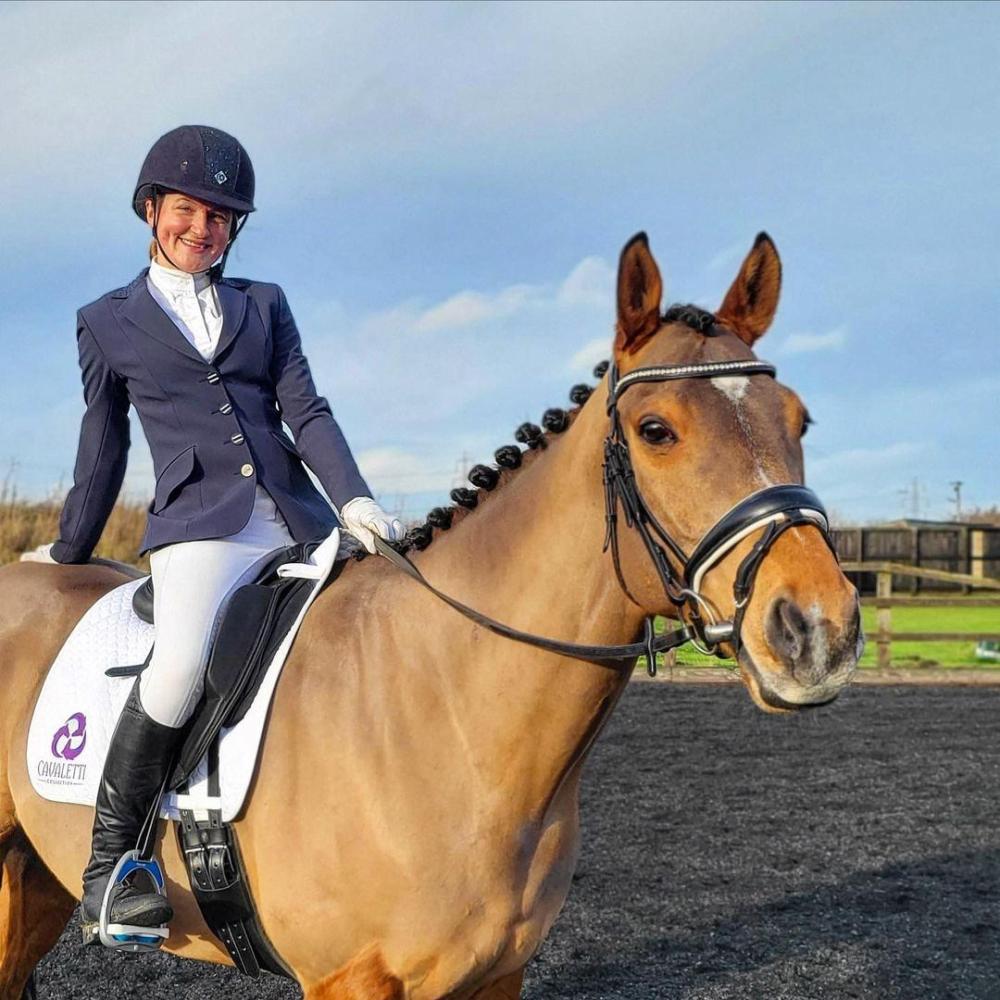 Once horse and rider are ready, choosing a complete bridle that supports rather than hinders is worth the attention it deserves. There is a real difference between a bridle that happens to hold two bits and a bridle built with poll pressure, noseband placement and comfort genuinely considered.
For dressage at medium level and above, an anatomical headpiece is worth considering seriously. A shaped headpiece sits clear of the atlas joint and distributes pressure across a wider area behind the ears. For a horse being asked for greater collection and poll flexion, reducing that discomfort can make a genuine difference to how freely they work.
Image credit: @harrys_newchapter
The noseband choice matters too. A cavesson noseband is standard for double bridle work, and the fit should be checked carefully; too tight and the horse cannot soften the jaw, which is precisely what the curb is trying to encourage. Explore the full leatherwork range to see the options available for dressage bridles, from noseband styles to browband fittings.
How saddle fit connects to bridle work
It is worth noting that the same horses showing tension, resistance or a shortened stride in collection often have a saddle fit issue contributing to the picture. If your horse has recently moved up through the levels and their way of going has changed with increased work, a saddle check is sensible before concluding the bridle is the issue. Browse the saddle range or find a fitter near you to rule that out.
Horses who are comfortable behind the saddle tend to be more willing to come through and sit. It is always worth checking the full picture before making changes to tack.
A few signs your horse is not ready yet
It is just as useful to know what to watch for as a reason to wait.
- Tension through the neck or jaw in the snaffle contact
- Inconsistent rhythm, particularly in canter
- Difficulty maintaining a steady tempo in medium work
- Any evasion of the contact, including above or behind the bit
- Muscle development that is still building, particularly in the hindquarters and back
- A horse that is new to you or still establishing trust with their rider
None of these is a permanent disqualifier. They are signals that the work is not yet confirmed. More time, more consistency, and a conversation with your trainer will get you there.
The question of bit fit
A double bridle introduces two bits into the horse's mouth simultaneously. This means bit width, thickness and port height all need careful consideration for that individual horse. A horse with a fleshy tongue may find a higher port more comfortable. A horse with a narrower mouth needs a correctly measured curb.
Fitting a double bridle is not a task for guesswork. If you are preparing for your first foray into double bridle work and would like guidance from a professional, find a local saddle and bridle fitter who can advise on bitting as well as fit.
For a broader overview of how bridles, nosebands and bits work together and what each component does, there is a full guide covering bridle anatomy and fitting that is worth reading alongside this article.
Ready to look at bridles?
When horse and rider are genuinely prepared, moving into a double bridle can be one of the more satisfying steps in a dressage partnership. The communication becomes quieter. The collection comes more willingly. The work starts to feel like a conversation rather than a negotiation.
When you're ready to look at options, browse the complete bridles at Cavaletti Collection. Each piece is designed with horse comfort in mind, from headpiece shape to noseband construction. If you have questions about fit or configuration, the team is made up of riders who understand this from the inside.
-
When Should a Horse Move Into a Double Bridle?
 April 29, 2026
 -
Brown Leather Bridles: Which Disciplines Suit Them Best?
 April 27, 2026
 -
How to Fit a Flash Noseband: The Welfare Checklist
 April 24, 2026
 -
Bridles, Nosebands and Bits: A Practical Guide for UK Riders
 April 22, 2026
 -
What to Look for in a Jump Saddle Pad
 April 21, 2026